
SPECIALTY · DIABETES IN HUELVA
Diabetes
under control
Learn to manage your diabetes and improve your quality of life with the support of a diabetes specialist in Huelva.
537M
PEOPLE WITH DIABETES WORLDWIDE
+5M
AFFECTED IN SPAIN ALONE
40%
DO NOT KNOW THEY HAVE DIABETES
783
DAILY DEATHS IN EUROPE
WHAT IS DIABETES
A disease we can manage
Diabetes is a condition that affects the way the body uses glucose, the primary fuel for our cells. When blood sugar levels are not properly controlled, it can cause long-term complications in organs such as the heart, kidneys, eyes and nerves.
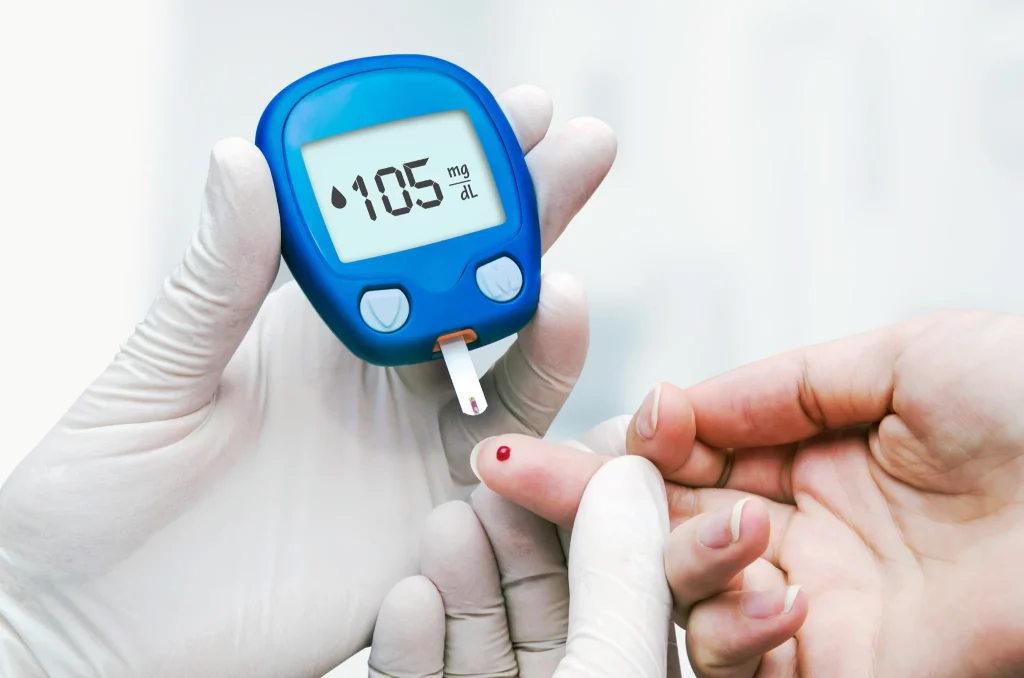
Managing diabetes involves a balanced diet, regular exercise, glucose monitoring and medical treatment where necessary. With early diagnosis and consistent follow-up, people with diabetes can lead an active and fulfilling life.
WARNING SIGNS
Symptoms you should not ignore
Excessive Thirst
A constant need to drink water, even after hydrating.
Frequent Urination
Frequent urge to urinate, especially during the night.
Fatigue
Persistent tiredness with no apparent cause.
Weight Changes
Unexplained weight loss or gain.
Blurred Vision
Sudden changes in visual acuity.
CLINICAL CLASSIFICATION
Types of diabetes
TYPE 01
Type 1
Diabetes
The pancreas stops producing insulin. Sugar accumulates in the body and can affect organs and systems if uncontrolled. Requires daily insulin therapy and ongoing patient education.
TYPE 02
Type 2
Diabetes
The most common form. The body does not use insulin correctly. Management is based on a balanced diet, regular exercise and, in some cases, oral medication or insulin.
SPECIAL CASES
Gestational
& Other Forms
Includes gestational diabetes, LADA and forms linked to neurodegeneration. Management requires a multidisciplinary approach and specialist follow-up.
WHAT I OFFER
Specialist treatment
- Diagnosis and treatment of Type 1 and type 2 DM DM
- HbA1 monitoring and medication adjustmentc
- Management of chronic complications
- Insulin therapy and new technologies
- Personalised diabetes education
- Management of gestational diabetes

WHY IT IS ESSENTIAL
The importance of medical monitoring
Regular follow-up with a specialist allows complications to be anticipated, treatment to be adjusted, and patients to be empowered to take control of their health day by day.
01Constant glucose monitoring
02Prevention of complications
03Optimisation of treatment
04Helping the patient understand their condition
05Improvement of quality of life
TAKE THE FIRST STEP
Do you Have diabetes, or think you might?
Early diagnosis and a personalised plan make all the difference. Book your appointment with Dr Christian Leyva in Huelva.
PREGUNTAS FRECUENTES
Todo lo que necesitas saber
Resolvemos las dudas más habituales sobre la diabetes. Si tienes más preguntas, puedes consultarme directamente en tu primera visita.
¿Necesito derivación médica para consultar con el Dr. Leyva?
No es necesaria derivación para la consulta privada en Hospital Quirónsalud Huelva. Puedes pedir cita directamente a través del formulario de esta web, por teléfono o a través de la plataforma de Quirónsalud.